
Analyzing Investment Properties for Single Family Long-term Rentals
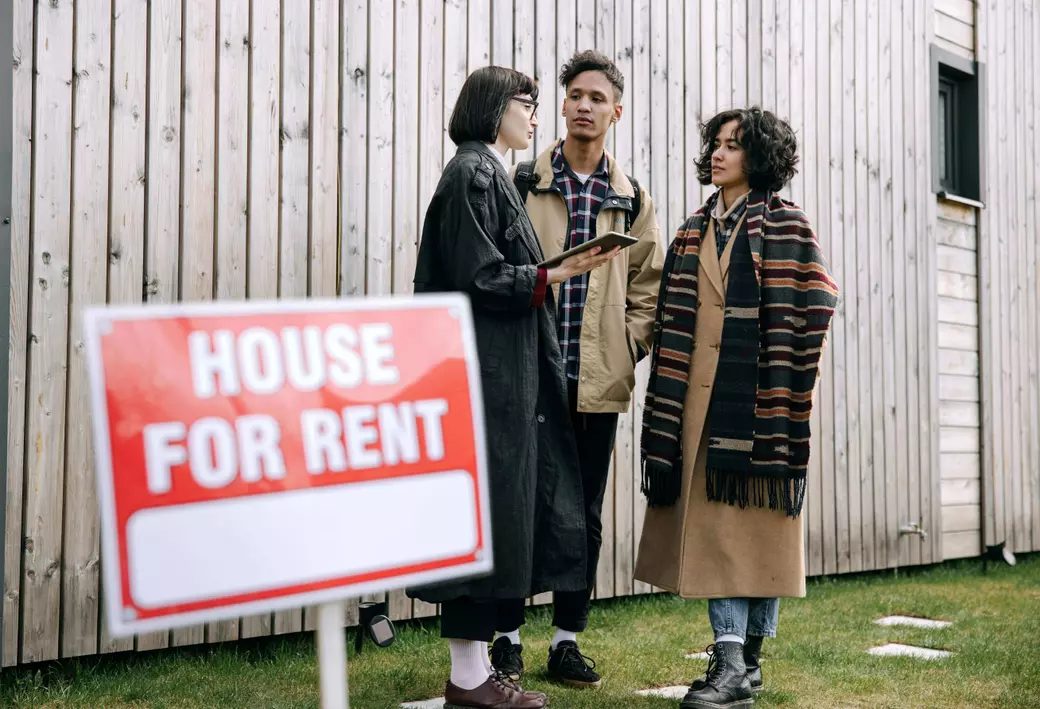
Investing in real estate—especially single-family homes used as long-term rentals—remains one of the most reliable ways to build wealth. Success, however, depends on making informed and strategic decisions. By carefully analyzing both the property and its market, investors can maximize returns while minimizing risk.
Below is a framework to help guide your evaluation process.
Understanding the Local Market
Before choosing a property, evaluate the health of the local market. Key factors include:
-
Neighborhood trends: Look for areas with stable or rising home values.
-
Demographics: Growing populations, especially young families and professionals, often signal steady rental demand.
-
Economic indicators: Employment opportunities, median income, and cost-of-living trends all affect sustainability.
A thorough market analysis can reveal which neighborhoods have long-term potential for both rental income and appreciation.
Financial Assessment
1. Purchase Price and Financing
Include the full cost of acquisition—purchase price, closing costs, and possible renovations. Run financing scenarios to calculate your monthly mortgage, interest rate impact, and overall affordability. Solid financing lays the foundation for profitability.
2. Rental Income and Expenses
Project potential rental income by comparing similar properties in the area. Deduct operating costs such as maintenance, management fees, taxes, insurance, and expected vacancy periods. A clear cash flow analysis shows whether the property can generate positive returns.
Property Analysis
3. Property Condition and Renovation Needs
Inspect thoroughly. Determine immediate repair needs and long-term improvement costs. Well-maintained homes typically attract quality tenants and help preserve value.
4. Neighborhood and Amenities
Tenants value convenience and quality of life. Proximity to schools, shopping, public transit, and parks can increase desirability. Also, factor in safety and community appeal.
Long-Term Sustainability
5. Economic and Job Growth
Markets with stable or expanding job sectors usually support stronger rental demand. Research local employers, industries, and regional growth patterns.
6. Future Development Plans
Upcoming infrastructure projects, schools, or commercial centers can boost property values and tenant demand. Stay informed on city planning and development initiatives.
Conclusion
Analyzing single-family rental investments requires a balance of financial diligence, property evaluation, and market awareness. By understanding local dynamics, carefully projecting cash flow, and considering long-term economic sustainability, you position yourself to build a strong, resilient rental portfolio.
FAQs
1. Why analyze the local market first?
It reveals demand trends, appreciation potential, and economic stability—all essential for long-term rental success.
2. How important is property condition?
It affects upfront costs, tenant appeal, and long-term maintenance expenses, directly influencing profitability.
3. Why do amenities matter?
Neighborhood amenities enhance rental appeal, drive higher occupancy, and can justify stronger rent pricing.
4. How does job growth impact rentals?
More jobs mean more renters, supporting long-term demand and reducing vacancy risk.
5. Should I consider future development?
Yes. Planned infrastructure and growth often boost property values and rental rates, adding to your investment’s long-term upside.
Categories
- All Blogs (324)
- Agent (46)
- Buydown (1)
- buying tips (78)
- Case Study (2)
- Divorce (1)
- Events (1)
- first time home buyer (51)
- First-Time Landlord (1)
- Halloween (1)
- home for sale (98)
- Home Rental (11)
- Homeowners (8)
- Interest Rate (2)
- Investment (23)
- Lifestyle & Community Guide (101)
- Market Trend (14)
- Mindset (1)
- Mortgage (7)
- New Braunfels (1)
- New Braunfels Lifestyle (57)
- Outdoor (1)
- Preventive Home Maintenance (4)
- Property Taxes, (17)
- Real Estate (229)
- Real Estate Market (10)
- Realtors (97)
- Savings (2)
- Settlement (1)
- Solar Panels (1)
- Summer in New Braunfels, (1)
- Veterans (4)
Recent Posts






GET MORE INFORMATION