
Building Resilience: A Blueprint for Overcoming Challenges on the Path to Success
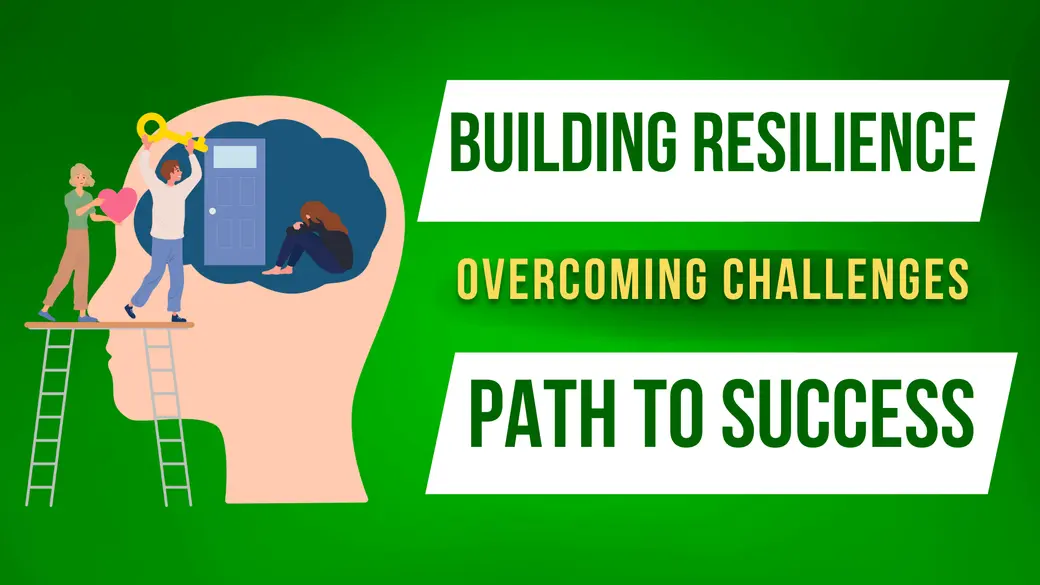
On the journey toward success, challenges and setbacks are inevitable. What separates high achievers from the rest is not the absence of adversity, but the ability to rise above it. Resilience—the capacity to adapt, recover, and grow stronger in the face of obstacles—is a skill that anyone can develop.
This blueprint outlines practical strategies to help you build resilience and stay focused on your long-term goals.
1. Embrace the Power of Perspective
Resilience begins with mindset. Reframe setbacks as opportunities for growth rather than permanent roadblocks. Seeing challenges as temporary creates space for solutions and progress.
2. Develop a Growth Mindset
Adopt the belief that skills, intelligence, and performance can improve through effort and learning. A growth mindset fosters persistence and continuous improvement, even after failures.
3. Cultivate Self-Awareness
Understanding your strengths, weaknesses, and triggers builds a foundation for resilience. Self-awareness allows you to respond intentionally to adversity instead of reacting impulsively.
4. Establish Clear Goals
Set specific, achievable goals and break them down into smaller steps. Each milestone achieved reinforces progress and keeps motivation high, even when setbacks occur.
5. Nurture a Supportive Network
Strong relationships provide encouragement, perspective, and accountability. Surround yourself with mentors, peers, friends, and family who support your growth.
6. Develop Healthy Coping Mechanisms
Regular exercise, mindfulness practices, journaling, or other positive outlets strengthen mental and emotional well-being. Healthy routines provide stability during stressful times.
7. Learn from Setbacks
Reflect on challenges with curiosity. Ask: What went wrong? What can I do differently next time? Turning failures into lessons transforms them into stepping stones toward growth.
8. Maintain Flexibility
Resilience requires adaptability. Stay committed to your vision but be willing to adjust strategies as circumstances evolve. Flexibility creates more pathways to success.
9. Celebrate Small Wins
Recognize and celebrate incremental achievements. Small victories build confidence, reinforce momentum, and remind you of your ability to overcome obstacles.
10. Seek Professional Guidance
Whether through coaches, mentors, or mental health professionals, seeking help is a strength, not a weakness. Guidance and support provide tools to navigate challenges effectively.
Conclusion
Building resilience isn’t just about surviving difficulties—it’s about thriving through them. By shifting perspective, setting intentional goals, and cultivating a strong support system, you can develop the strength to overcome obstacles and continue your path toward success. Resilience is not an innate trait but a skill that grows with practice and commitment.
Categories
- All Blogs (324)
- Agent (46)
- Buydown (1)
- buying tips (78)
- Case Study (2)
- Divorce (1)
- Events (1)
- first time home buyer (51)
- First-Time Landlord (1)
- Halloween (1)
- home for sale (98)
- Home Rental (11)
- Homeowners (8)
- Interest Rate (2)
- Investment (23)
- Lifestyle & Community Guide (101)
- Market Trend (14)
- Mindset (1)
- Mortgage (7)
- New Braunfels (1)
- New Braunfels Lifestyle (57)
- Outdoor (1)
- Preventive Home Maintenance (4)
- Property Taxes, (17)
- Real Estate (229)
- Real Estate Market (10)
- Realtors (97)
- Savings (2)
- Settlement (1)
- Solar Panels (1)
- Summer in New Braunfels, (1)
- Veterans (4)
Recent Posts










GET MORE INFORMATION
