
Short-Term Rental vs Long-Term Rental: Tax Implications in Canyon Lake
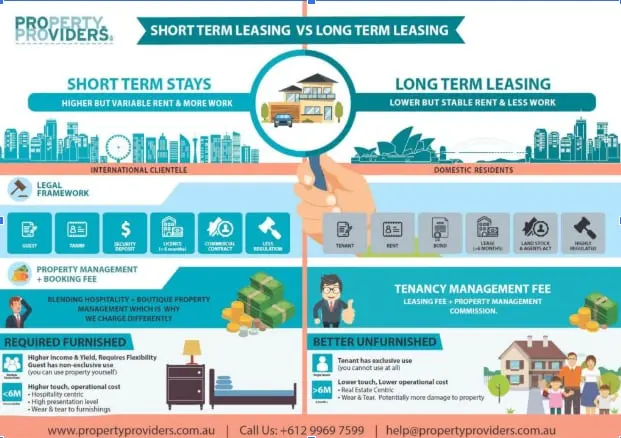
Short-Term Rental vs Long-Term Rental: Tax Implications in Canyon Lake
Introduction: Choosing the Right Strategy Isn’t Just About Income
Canyon Lake has become one of the most active real estate investment markets in Comal County, attracting both:
- Short-term rental (STR) investors (Airbnb / VRBO)
- Long-term rental (LTR) investors
While most investors focus on the following:
- Nightly rates
- Occupancy
- Cash flow
There’s a critical factor that often gets overlooked:
👉 Property taxes can significantly impact your returns—and they behave differently depending on your strategy.
As we move into the 2027 tax year, understanding these differences is essential for making smarter investment decisions.
How Property Taxes Work for Investment Properties
From the Comal County workshop
Taxable Value × Tax Rate = Taxes Owed
However, for investment properties:
- No homestead exemption
- No 10% cap on annual increases
- Full market value is typically applied
👉 This creates higher exposure to rising property values—especially in a fast-growing area like Canyon Lake.
Part 1: Short-Term Rentals (STRs) – Tax Implications
What Defines a Short-Term Rental in Canyon Lake
Short-term rentals are typically:
- Rented nightly or weekly
- Marketed on platforms like Airbnb or VRBO
- Designed for vacation or seasonal use
Tax Characteristics of STR Properties
1. Higher Market Valuation Pressure
STR properties often:
- Generate a higher perceived income
- Attract investor demand
- Sell at premium prices
👉 This can lead to higher comparable sales, which drive appraisals upward.
2. No Homestead Protection
STRs are considered investment properties:
- No homestead exemption
- No cap on annual increases
👉 Your taxable value can rise significantly year-over-year.
3. Valuation Based on Comps (Not Income)
Even though STRs produce income:
- CAD primarily uses comparable sales
- Rental income is not the main valuation method
👉 This can disconnect tax value from actual performance.
4. Greater Volatility in Tax Bills
Because STR markets fluctuate:
- Demand spikes can increase values quickly
- Appraisals may lag behind downturns
👉 You may pay taxes based on peak market conditions—even in slower periods.
STR Tax Strategy for 2027
- Protest annually (no cap protection)
- Document seasonal income variability
- Challenge comps that reflect premium properties
- Track nearby sales carefully
Part 2: Long-Term Rentals (LTRs) – Tax Implications
What Defines a Long-Term Rental
Long-term rentals are:
- Leased for 6–12+ months
- Typically stable, predictable income properties
Tax Characteristics of LTR Properties
1. More Stable Valuation Trends
LTR properties:
- Follow neighborhood comps more closely
- Are less influenced by vacation demand
👉 Values tend to be more predictable.
2. Still No Homestead Benefits
Like STRs:
- No homestead exemption
- No cap on increases
3. Income vs Value Disconnect Still Exists
Even if rent is modest:
- Property value may increase based on nearby sales
- Taxes may rise faster than rental income
4. Lower Volatility, But Still Increasing
LTR properties:
- Experience gradual increases
- Still impacted by overall market growth
LTR Tax Strategy for 2027
- Monitor neighborhood sales closely
- Use comparable rental properties for protests
- Factor tax increases into lease pricing
- Plan for long-term appreciation vs short-term cash flow
STR vs LTR: Key Tax Differences in Canyon Lake
|
Factor |
Short-Term Rental (STR) |
Long-Term Rental (LTR) |
|
Valuation Pressure |
Higher |
Moderate |
|
Income Volatility |
High |
Low |
|
Tax Predictability |
Lower |
Higher |
|
Protest Importance |
Critical |
Important |
|
Exposure to Market Swings |
High |
Moderate |
Why Canyon Lake Is Unique for Tax Strategy
Canyon Lake presents unique challenges:
1. Property Variability
- Views, access, and terrain vary widely
- Two nearby homes may have very different values
2. Inconsistent Comparable Sales
- CAD may group dissimilar properties
- Investors can challenge these assumptions
3. Strong Investor Influence
- STR demand drives higher comps
- Affects both STR and LTR valuations
👉 Even long-term rentals can be impacted by STR-driven pricing.
What to Expect Heading Into 2027
Based on workshop insights :
1. Continued Appraisal Pressure
- Growth from previous years still influencing values
2. Increased Protest Activity
- More investors are actively managing tax exposure
3. Greater Need for Active Management
- Passive ownership = higher costs
How Taxes Impact Your Investment Strategy
For STR Investors
- Taxes directly affect cash flow
- Must actively manage valuations
- Need higher margins to absorb increases
For LTR Investors
- Taxes affect long-term ROI
- Must adjust rents strategically
- Focus on appreciation + stability
Key Takeaways for Canyon Lake Investors
👉 Short-term rentals offer higher upside—but come with greater tax volatility.
👉 Long-term rentals provide stability—but still require tax management.
👉 Both strategies require proactive tax planning heading into 2027.
Final Thoughts: Taxes Should Drive Strategy—Not Just Income
Many investors choose between STR and LTR based on income potential alone.
But in Canyon Lake:
👉 Property taxes can significantly change your actual return.
The most successful investors:
- Monitor valuations annually
- Protest when needed
- Adjust strategy based on tax impact
Bottom Line for 2027
As property values continue evolving in Comal County:
- STR investors must actively manage tax volatility
- LTR investors must plan for steady increases
- Both must treat taxes as a core part of their investment strategy
Categories
- All Blogs (324)
- Agent (46)
- Buydown (1)
- buying tips (78)
- Case Study (2)
- Divorce (1)
- Events (1)
- first time home buyer (51)
- First-Time Landlord (1)
- Halloween (1)
- home for sale (98)
- Home Rental (11)
- Homeowners (8)
- Interest Rate (2)
- Investment (23)
- Lifestyle & Community Guide (101)
- Market Trend (14)
- Mindset (1)
- Mortgage (7)
- New Braunfels (1)
- New Braunfels Lifestyle (57)
- Outdoor (1)
- Preventive Home Maintenance (4)
- Property Taxes, (17)
- Real Estate (229)
- Real Estate Market (10)
- Realtors (97)
- Savings (2)
- Settlement (1)
- Solar Panels (1)
- Summer in New Braunfels, (1)
- Veterans (4)
Recent Posts









GET MORE INFORMATION
